
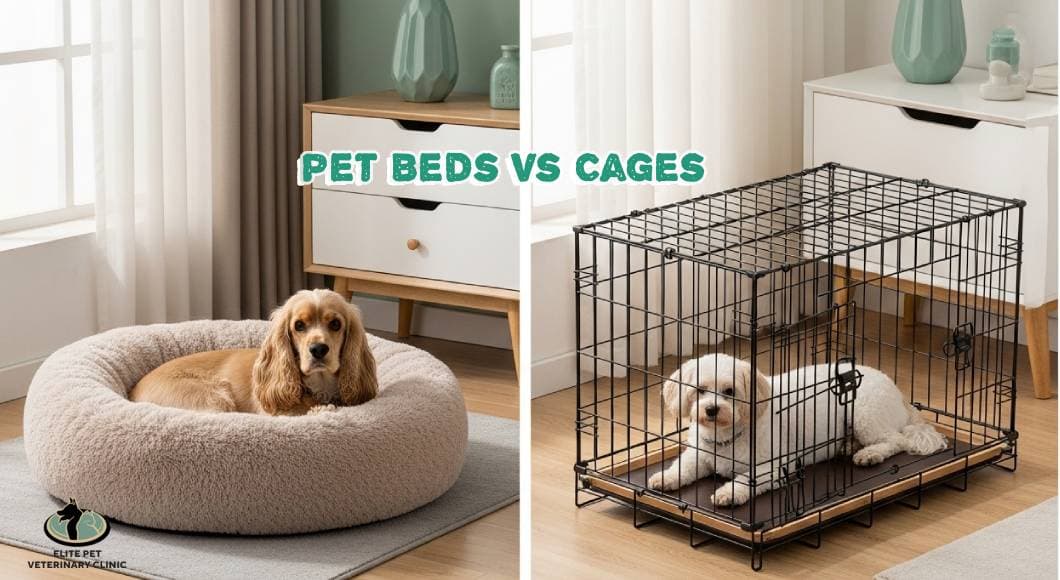
Choosing the right resting space for your pet is more than just a matter of style—it directly affects their comfort, safety, and behavior. The wrong choice between these two options can lead to stress, anxiety, or even health issues. This article will guide you through everything you need to know to decide whether a pet bed or a pet cage is the best fit for your home.
Where Will Your Pet Feel Happiest?
Pets have different personalities, and their comfort needs vary widely. Observing your pet’s natural resting habits is the best indicator.
Pet Beds (Comfort Use):
Ideal for calm or older animals who enjoy stretching and lounging. Beds provide softness, warmth, and a sense of freedom. Cats and small dogs often prefer beds where they can curl up without feeling confined. For older pets, orthopedic beds reduce joint stress and provide easier access.
Pet Cages (Security and Den Use):
Provide a secure, private, and den-like space, which is especially beneficial for anxious or hyperactive pets. Cages appeal to a dog's natural den instinct, helping them feel safe and reducing destructive behavior by confining them to a known, secure area.
Vet Tip: If your dog likes to hide under tables or seek enclosed spaces during loud noises (like thunderstorms), a positively introduced cage may be preferable. If they enjoy open, soft spaces, a bed is often the better choice.
Training and Behavior Management
Cages are particularly useful for behavior training, while beds are best for pets that already understand boundaries.
Housetraining and Toilet Training:
The pet cage is an essential tool here. It taps into the pet’s instinct to avoid soiling their den, which significantly speeds up the housebreaking process. In contrast, beds are only suited for pets that already understand boundaries.
Reducing Destructive Behavior:
The cage is ideal for this management goal. It prevents accidents when pets are left alone by safely confining them away from harmful items. A bed offers minimal protection and is prone to being chewed by unsupervised puppies.
Calm Retreat:
A cage provides a safe, calm retreat after overstimulation, a veterinary procedure, or during stressful events, while a bed is more suitable for daily, unstructured rest.
Space Considerations and Safety First
Both beds and cages offer safety in different ways, and the size of your home impacts the best fit.
Pet Beds:
Flexible and easy to move around, making them suitable for apartments or shared spaces. Safe for homes with children, as they allow pets freedom of movement without confinement.
Pet Cages:
Require a fixed location, which can be limiting in smaller homes. Ideal for preventing accidents when pets are left alone or during training. They protect pets from chewing on dangerous items or wandering into unsafe areas.
Durability, Cost, and Maintenance
Durability is a key factor in the long-term cost of pet equipment.
Durability and Cost:
Beds are affordable and cozy, but softer materials may wear quickly, especially with chewing or scratching, requiring frequent replacement. Cages, though generally more expensive upfront, last significantly longer due to their metal or heavy plastic construction and can withstand larger or more active pets.
Cleaning and Maintenance:
For beds, look for removable, washable covers. Regular cleaning prevents odors and keeps your pet healthy. Cages are easy to sanitize with daily or weekly wiping of the plastic or metal surfaces, providing a cleaner environment during training or when multiple pets share a space.
Pet Type and Age Considerations (Matching the Use Case)
Puppies / Young Dogs:
The best use is a combination of cage and bed. Cages are essential for house training and preventing ingestion of foreign objects during unsupervised time, while a bed provides comfort.
Older Pets:
Orthopedic beds are recommended, as they provide easier access and dedicated joint support, reducing strain on aging joints.
Active/Anxious Pets:
A positively introduced cage is beneficial. The enclosure helps manage energy, prevent anxiety-driven destructive behaviors, and provides a necessary retreat.
Cats:
Cats usually prefer beds for nesting, though they may use a cage during safe travel or post-surgery medical recovery.
Daily Use Recommendations
Bed:
Suitable for daily rest and relaxation.
Cage:
Best used for short periods, training, or when supervision isn’t possible. Avoid leaving pets confined for extended periods.
Conclusion
When considering Pet Beds vs Pet Cages, understanding your pet's unique needs and the specific advantages of each item allows you to make an informed choice that ensures their enduring happiness, security, and well-being. Ultimately, the successful blend of structure and softness defines the critical difference in the choice between Pet Beds vs Pet Cages.