
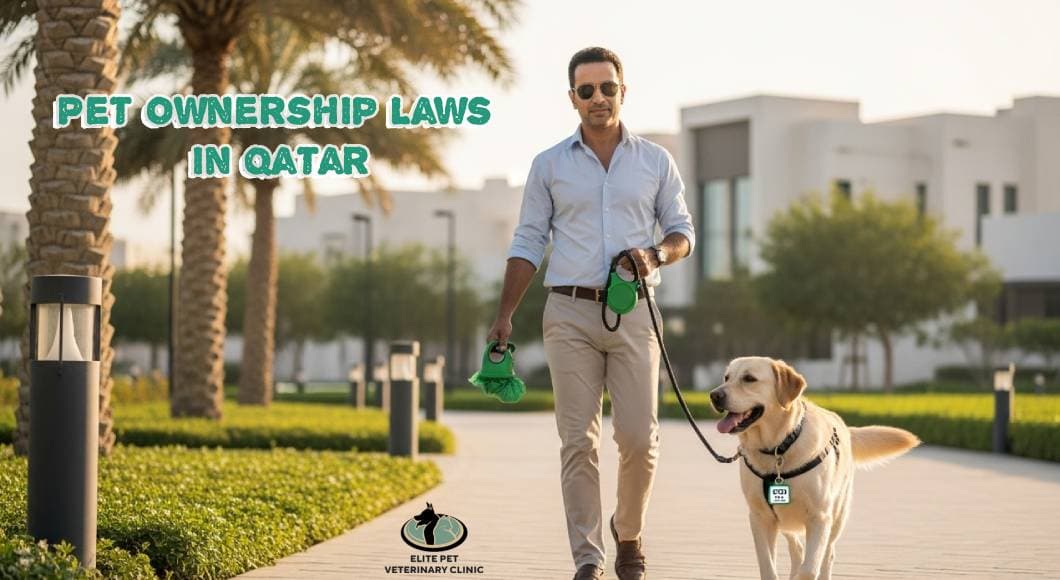
Owning a cat or dog in Qatar is incredibly rewarding, but it comes with a firm set of responsibilities laid out by the Ministry of Environment and Climate Change (MECC) and the Department of Animal Resources. These rules are designed to protect both the public and the animals themselves.
The Foundations of Pet Ownership Laws: Licensing and ID
The most fundamental aspect of pet ownership laws in Qatar is mandatory identification and registration. This isn't just bureaucracy; it's the best way to ensure pets are traced and cared for.
Mandatory Identification (Microchipping)
All pets, especially those imported, must be microchipped with an ISO-approved chip. This tiny device is your pet's permanent ID card, linking them directly to you.
Licensing and Registration
A formal licensing system is in place for both cats and dogs. Responsible pet owners are urged to register their animals with the relevant authorities. This ensures the government can track animal health and manage stray populations.
Veterinary Care Requirements
To be compliant with pet ownership laws, your animal must be up-to-date on all core vaccinations, with the rabies vaccine being non-negotiable and requiring a specific waiting period before travel (if importing).
Navigating Public Spaces: Dog Walking and Restrictions
While pet-friendly areas are slowly growing, strict rules govern where you can walk your dog. This is one of the most crucial elements of the local pet ownership laws.
Dog Walking Restrictions in Public
General Ban: Dogs are generally restricted from all major public gathering spots. This includes places like parks, the Doha Corniche, and most public beaches. Always assume a public area is off-limits unless explicitly stated otherwise.
Leash Mandate: In the few public areas and designated beaches where dogs are allowed, they must be kept on a leash at all times. This is a requirement for safety and respect for other citizens.
Clean-Up Rule: A responsible pet owner always carries waste bags. Failing to clean up after your dog is a breach of public conduct and can result in fines.
Prohibited Breeds and Their Public Restriction
A major update to pet ownership laws concerns the regulation of "dangerous animals." A list of specific dog breeds is now restricted from public spaces, meaning they must remain within the confines of your private property.
This list includes, but is not limited to:
Rottweilers
Dobermans
Boxers
Bull Terriers
American Staffordshire Terriers
If your dog belongs to a restricted breed, you must be extra vigilant about adhering to the law and keeping them secure at home.
Importing and Exporting: International Pet Ownership Laws
Bringing your beloved pet with you or moving them to a new country requires meticulous planning and adherence to strict international health and documentation rules.
Importing Your Pet to Qatar
Rabies Titer Test (RNATT): A blood test must be performed 30 days after the rabies vaccine, and the result must show a sufficient antibody level.
Quarantine Period: After the RNATT blood draw, a mandatory 92-day waiting period is enforced before the pet can enter Qatar.
Import Permit: You must secure an Import Permit from the Department of Animal Resources before your pet travels. This permit is valid for a limited time.
Age Requirement: Puppies and kittens must be at least seven months old upon arrival to meet all vaccination and titer test timeline requirements.
Exporting Your Pet
When leaving Qatar, you will need a Veterinary Health Certificate issued by an authorized veterinarian and approved by the Department of Animal Resources. Planning ahead is crucial, as destination countries have their own entry rules that must be met before leaving Qatar.
Final Thoughts on Pet Ownership Laws and Responsibility
Being a pet owner in Qatar is a privilege, and adhering to the pet ownership laws is how we ensure that privilege continues. These regulations—from microchipping and vaccination protocols to public access restrictions for certain breeds—are in place to keep everyone, two-legged and four-legged, safe.
By responsibly managing your companion, you contribute positively to the animal welfare environment in Qatar. For the most current requirements and documentation, always consult the Ministry of Environment and Climate Change or a trusted pet relocation agent.
We all have a role to play in upholding pet ownership laws.